A measured next step after water removal
Structural Drying and Dehumidification in Ventura
Discuss the affected materials and your drying needs. Call to speak with a local water damage pro
A measured next step after water removal
Discuss the affected materials and your drying needs. Call to speak with a local water damage pro
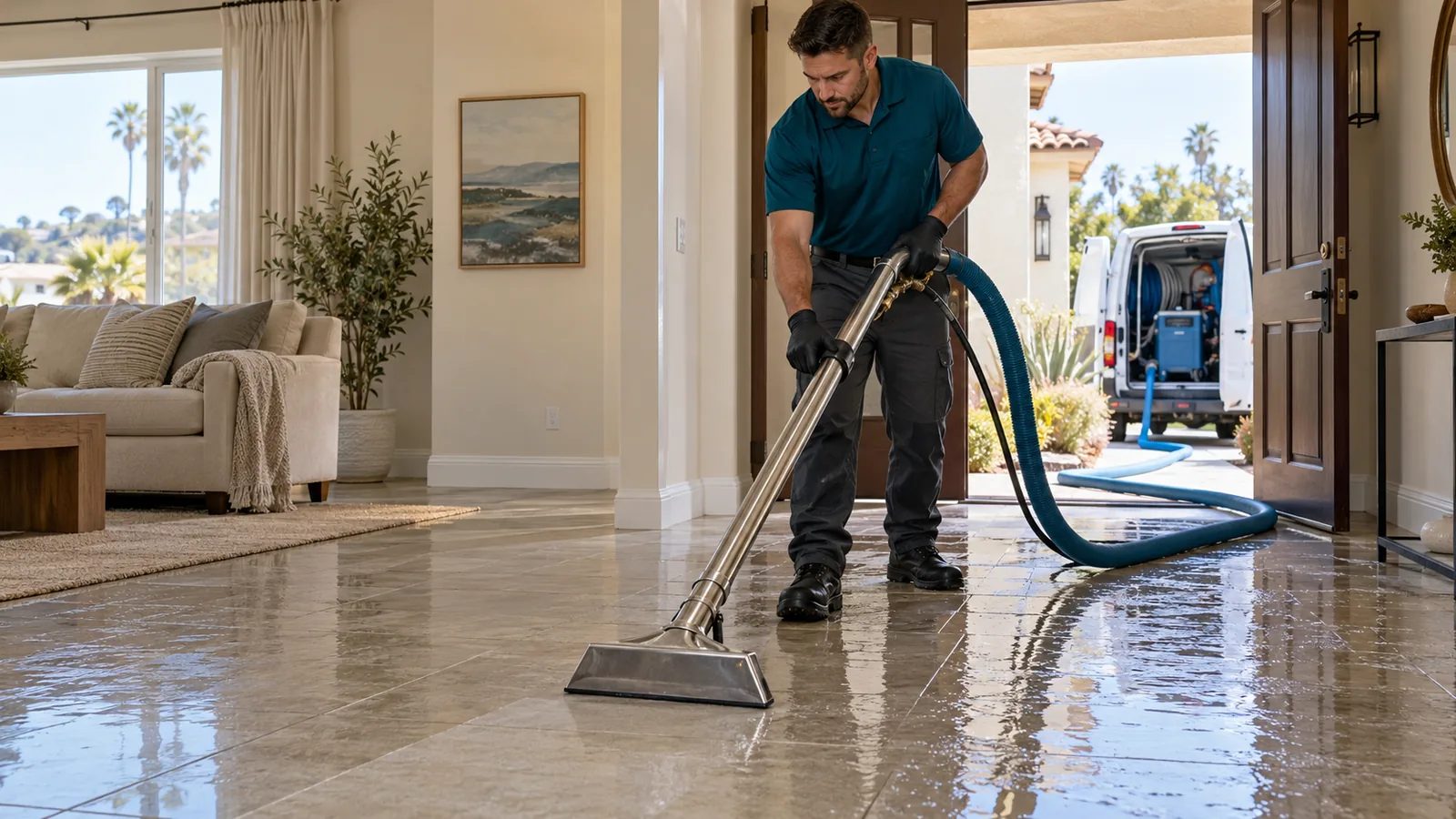
Structural drying focuses on the building materials included in the assessed area, rather than only the water visible on the floor. EPA describes moisture meters as tools for measuring materials and monitoring drying progress. US EPA Emergency Water Extraction Ventura uses the drying discussion to clarify what will be checked, how progress will be reviewed, and what limitations remain.
Tell the pro what caused the water damage, when it was discovered, whether extraction has already happened, and who has addressed the source. A local pro typically discusses the proposed equipment, access, monitoring, and authorization before presenting a drying scope. A local pro does not promise that every material can be dried in place or that a fixed number of equipment days will suit every property. The plan should be specific enough for you to understand why work continues and what happens before it ends.
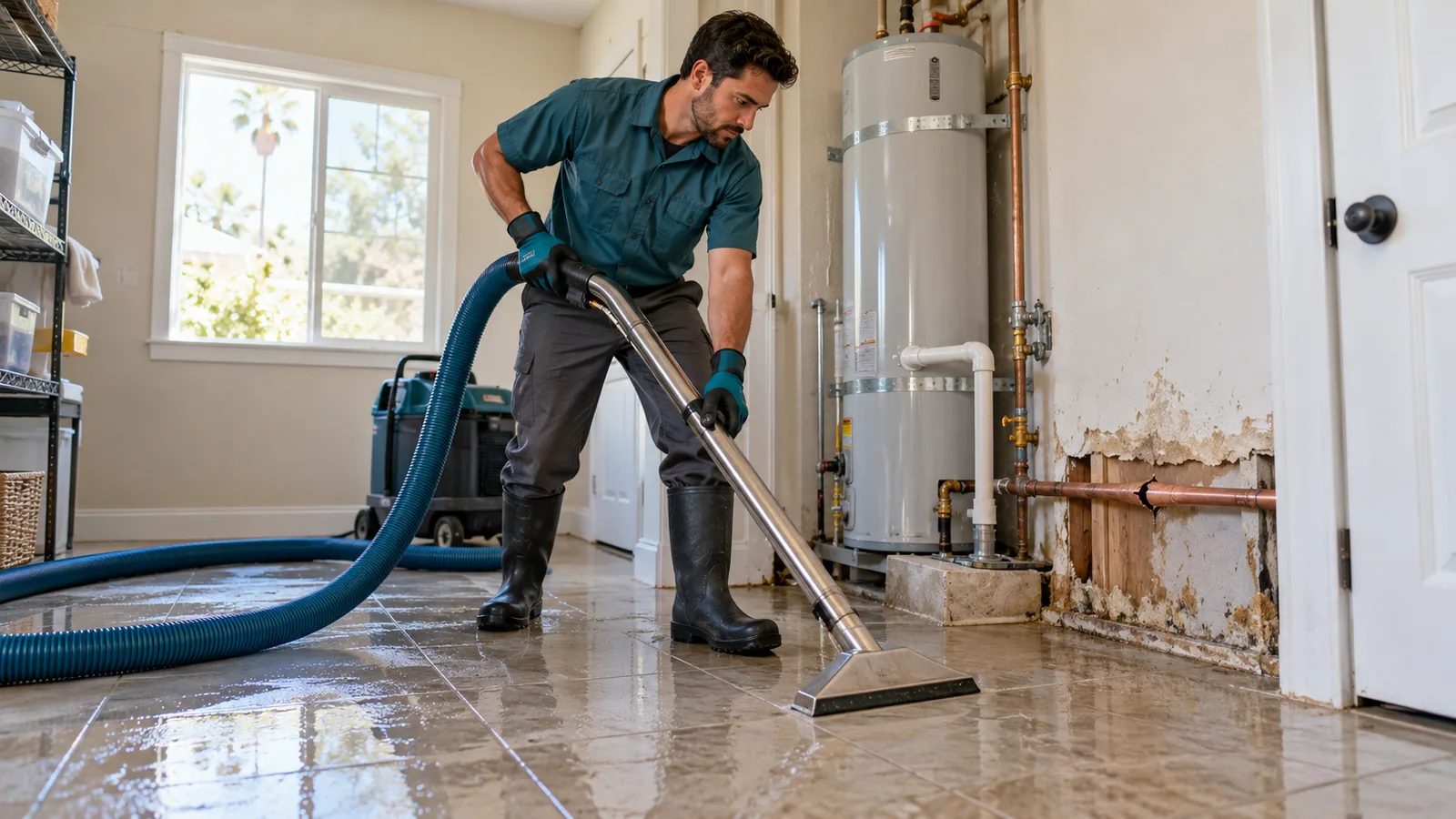
A local pro typically begins with the source-control status, the areas affected, and the work already completed. Tell the pro about earlier moisture readings, removed materials, existing equipment, and upcoming repair appointments. That background helps a local pro discuss the current scope without assuming that a previous visit answered every question.
A local pro typically explains who can adjust equipment, how interruptions should be reported, and how decisions about continuing or ending the work will be discussed. The purpose is an understandable process, not simply a delivery of machines.
A local pro typically identifies the accessible materials and locations included in the drying assessment. Tell the pro about prior leaks, recent renovations, and rooms that concern you, even when they are outside the most obvious wet area. Those observations are recorded as background rather than automatically treated as confirmed damage. The record distinguishes the areas checked from those that could not be reached. A local pro typically explains any need for further access and the authorization required before an opening is made. A useful starting record is specific about its boundaries, so later progress discussions are tied to the same agreed materials and locations.
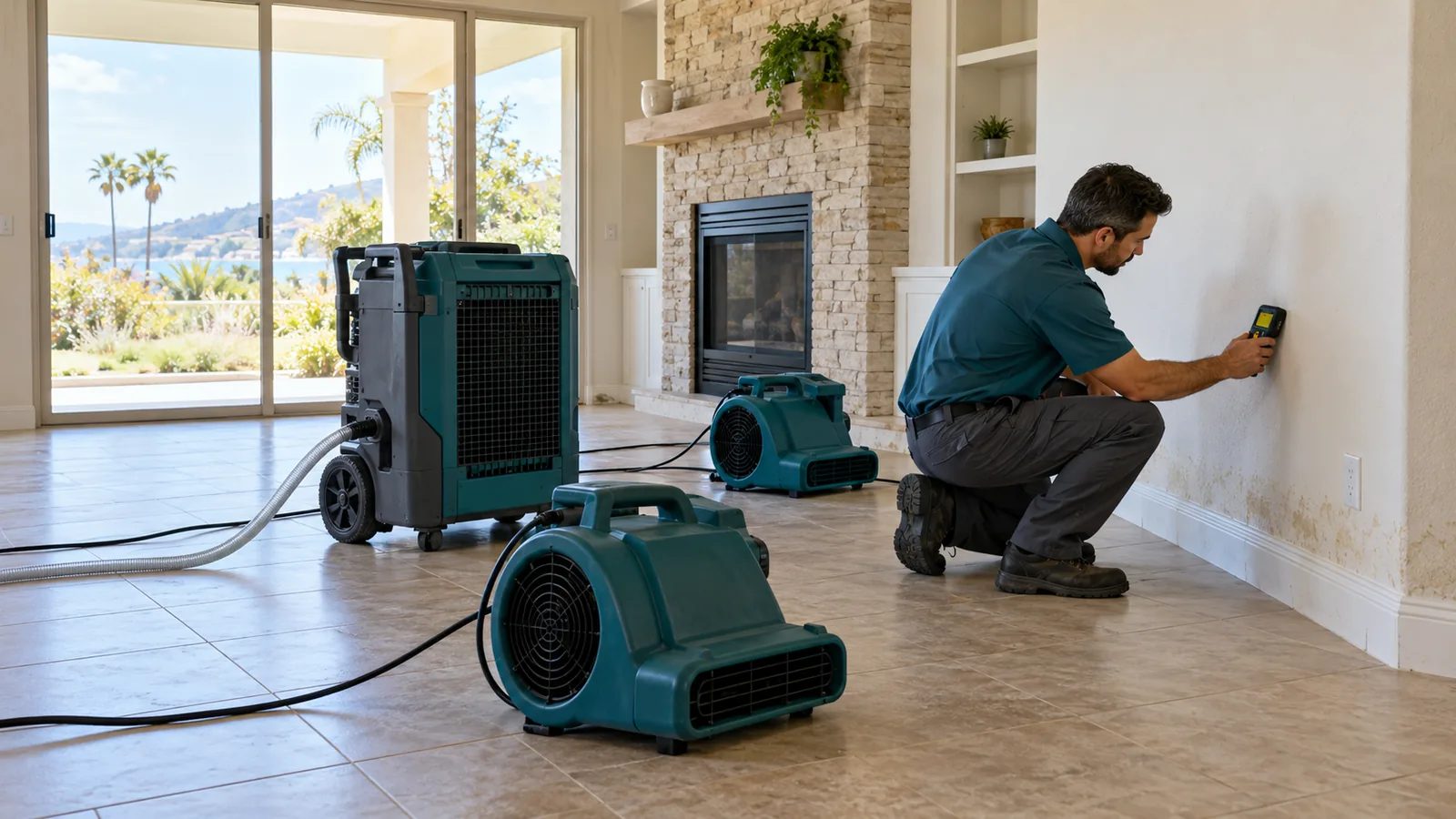
EPA's clean-water response guidance includes extraction, dehumidification, and air movement for appropriate materials, while warning against using fans before determining that the water is clean or sanitary. Equipment selection must follow assessment of the situation. US EPA A local pro typically explains the proposed setup and the role of each part of it. Tell the pro about essential walkways, occupied rooms, pets, and access needs so those concerns can be discussed before placement. A local pro also identifies the contact for equipment questions, rather than expect you to change settings or relocate units without guidance.
Some drying decisions depend on access to an assembly rather than the room's visible finish alone. A local pro typically explains when additional inspection or an opening is proposed, what the opening is intended to establish, and which trade will handle it. Material removal is not silently included in a general equipment agreement. Tell the pro about specialty floors, custom cabinets, and recent remodeling before access decisions are made. A local pro typically discusses the options and limitations without promising that every finish can remain untouched. Suspected hazardous materials, structural concerns, or contamination may require a separate assessment and a different scope before drying work proceeds.
A local pro typically uses the agreed monitoring plan to review progress at identified locations and discusses whether the setup should continue or change. You receive an explanation of the next step rather than an unexplained extension of equipment use. Any interruption, new leak, or access change should be reported so it can be reflected in the record. A local pro also explains the limits of the readings collected. A record of accessible locations is not a claim that every concealed surface has been inspected. Where additional information is needed, a local pro typically discusses that need openly and identifies any further authorization or specialist input required.
EPA advises that affected materials be fully dried before walls and flooring are replaced or refinished. Closing an assembly or installing a finish should therefore be considered separately from simply removing equipment. US EPA At closeout, a local pro typically reviews the assessed areas, available drying records, and remaining limitations. The installer or repair contractor may need its own product-specific checks before new materials are fitted. A local pro typically keeps that responsibility visible and does not turn the drying record into a warranty for work performed later under a different agreement.
| Service | Estimated Cost | Average |
|---|---|---|
| Initial drying assessment | Property-specific estimate | Not published |
| Drying equipment and setup | Based on approved plan | Not published |
| Monitoring and adjustments | Defined in the written scope | Not published |
No fixed drying duration, quoted price, or verified local average is published here. Ask how equipment use, monitoring, delivery, collection, and any additional work are charged. The estimate should identify the areas included and the process for approving changes. Extraction, material removal, specialist assessment, and reconstruction are separate unless expressly included.
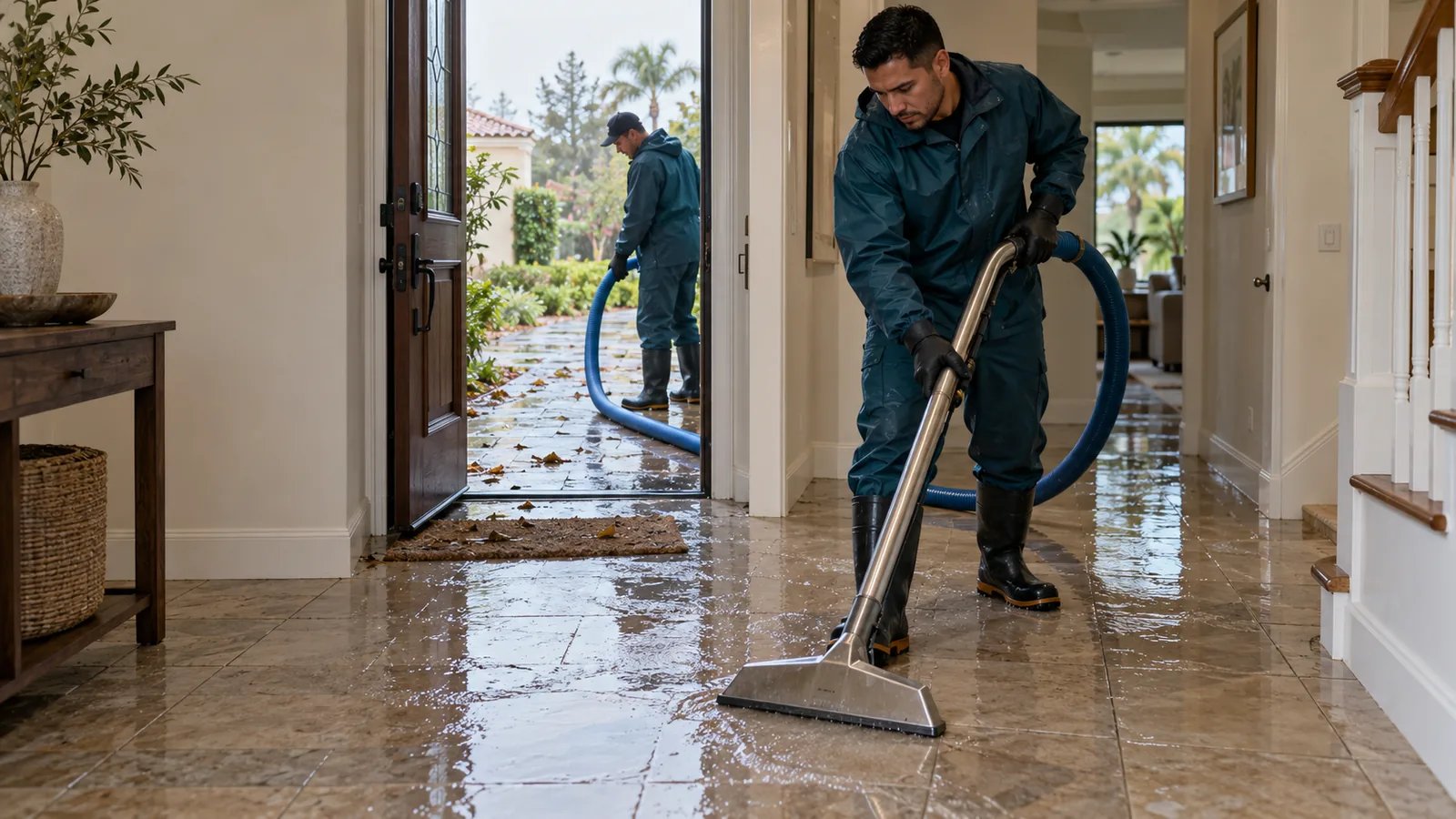
A local pro typically explains the proposed setup and the areas it addresses. You should know why equipment is present and whom to contact with questions.
A local pro typically discusses monitoring at identified locations and keeps access limitations visible. A partial record is not presented as a whole-building promise.
A local pro typically distinguishes completion of the drying scope from an installer's approval for a particular new finish. That helps prevent assumptions between separate contractors.
Homeowners: describe what you are seeing and get connected with an independent local water damage pro. A quote over the phone is available when the situation allows.
Tell the pro about the source, prior extraction, repair work, and any existing records. A local pro typically discusses the areas requiring assessment and identifies missing information before proposing an equipment or monitoring plan.
A local pro typically explains the materials and locations included, access limitations, proposed setup, and follow-up arrangements. Any separate material opening, removal, or specialist assessment is identified rather than assumed to be included.
A local pro typically carries out the agreed monitoring and explains changes to the plan. You know how to report interruptions, new water entry, or access problems and how additional work will be authorized.
A local pro typically discusses the drying record, assessed areas, and outstanding limitations. The handoff identifies any separate checks or approvals needed from the contractor responsible for rebuilding or installing new finishes.