A careful plan for water beneath your home
Crawl Space Water Removal in Ventura
Describe the underfloor water without entering the space. Call (844) 434-2506
A careful plan for water beneath your home
Describe the underfloor water without entering the space. Call (844) 434-2506
You do not need to crawl beneath the building to prepare for the visit. Stay out of the affected space and tell the pro what you already know: where the entrance is, how the water was discovered, and whether a plumber or another contractor has inspected it. Flooded work areas can involve electrical, biological, and other hazards that need appropriate assessment. Seguridad y Salud Ocupacional
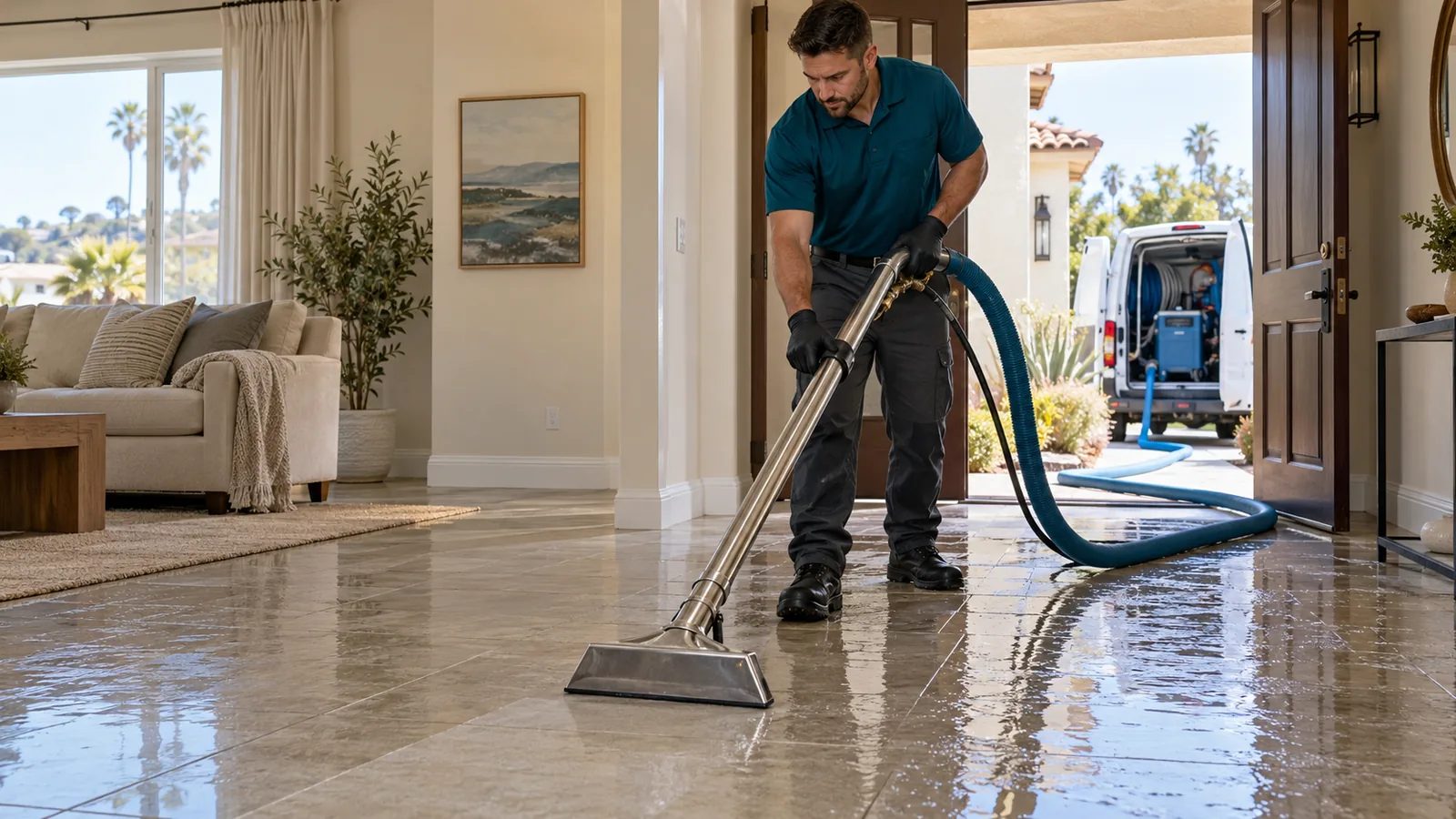
Emergency Water Extraction Ventura discusses crawl space water removal around the actual access and conditions beneath your property. The scope may include accessible water extraction, assessment of affected underfloor materials, and a drying plan where appropriate. A local pro typically distinguishes that work from permanent drainage improvements, plumbing repairs, foundation repairs, and encapsulation. An extraction visit should give you a clearer understanding of the next step, not suggest that every recurring water problem has been permanently solved.
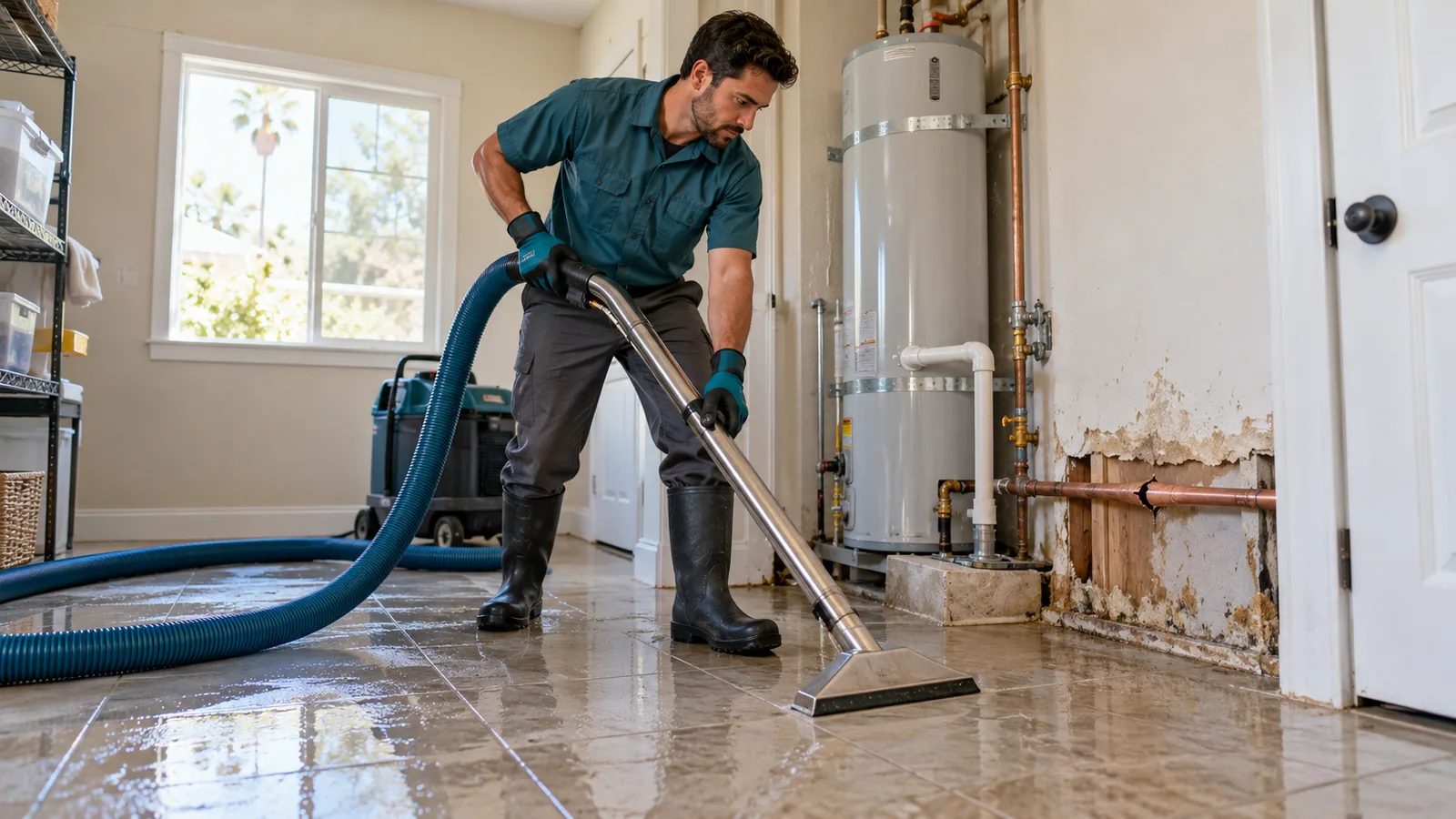
A local pro typically discusses what can be assessed safely and whether the reported conditions require a different specialist before entry.
The agreement should identify the proposed extraction area, access limitations, related material work, and any drying included. A local pro typically makes clear whether a concern about the source needs a plumber, drainage professional, or structural specialist rather than expanding a water-removal job into an undefined repair project.
A local pro typically reviews the proposed entrance and the route used to bring equipment to it. Tell the pro about indoor hatches, landscaping, narrow side yards, locked gates, and areas of the home that need special consideration. Those details help the pro discuss the practical requirements of the visit before equipment arrives. The assessment does not presume that every section beneath the building is reachable from one opening. A local pro typically identifies inaccessible areas and explains any proposed additional access separately. You should know which parts of the crawl space are included and which still need investigation, rather than receive a general statement that everything underneath has been checked.
The proposed water-removal approach is matched to the assessed conditions and approved work area. A local pro typically discusses equipment positioning, the removal route, and handling of the extracted water. The plan should not rely on an assumption that water can simply be directed onto a neighboring property, street, or landscaped area. When the source remains active or water returns during the work, a local pro typically explains what that means for the current scope. A local pro does not describe repeated extraction as a permanent drainage repair. Any further work is discussed in terms of what has been observed, what remains uncertain, and which professional is well placed to investigate the source.
A local pro typically discusses the accessible underfloor materials included in the assessment and record conditions relevant to the proposed cleanup. Tell the pro about previous repairs, insulation work, or known plumbing issues. Those details help separate your property's history from assumptions made during a single visit. Any proposed removal is explained before authorization. A local pro typically identifies the material, the reason for the recommendation, and whether removal and disposal are included in the estimate. Replacement insulation, subfloor repairs, plumbing changes, and structural work are not automatically part of water extraction, so the next contractor's responsibilities should remain clear.
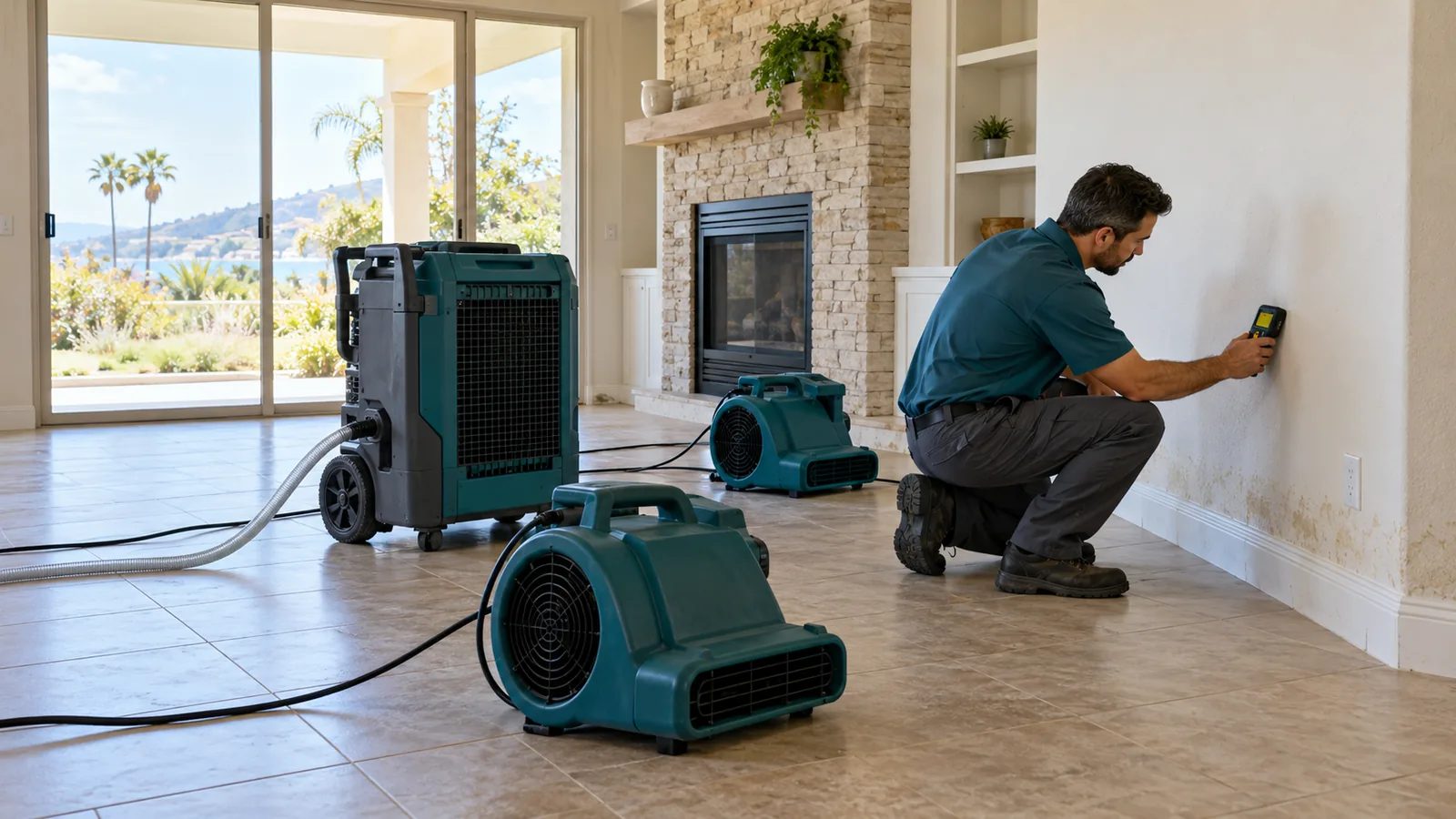
Where drying is appropriate and included, a local pro typically explains how the assessed areas will be monitored and what access is needed for follow-up. A local pro typically discusses the equipment arrangement, household considerations, and how you should report interruptions or changes. You should not have to enter the crawl space yourself to check the setup. A local pro also explains the limits of the drying record. Accessible materials assessed during the job are identified, while spaces that could not be reached remain noted as limitations. This avoids turning a partial underfloor assessment into an unsupported statement about the condition of the entire building.
Tell the pro whether the problem follows rain, appears during appliance use, or has been noticed at unrelated times. Your observations are useful background, but they are not treated as a confirmed diagnosis. A local pro typically distinguishes what was reported from what was actually observed within the authorized assessment. flood-recovery guidance emphasizes preventing outdoor water from reentering and addressing drainage around crawl spaces. CDC Where a recurring source needs separate investigation, the handoff makes that need visible. Water removal, a drainage repair, and a long-term moisture-control installation are different scopes, and you should understand which one you are purchasing.
| Service | Estimated Cost | Average |
|---|---|---|
| Accessible crawl space extraction | Site assessment required | Not published |
| Authorized underfloor material work | Based on approved scope | Not published |
| Drying and follow-up monitoring | Quoted when appropriate | Not published |
No fixed price or verified average is published here. Ask for an estimate identifying access assumptions, the area included, labor, equipment, monitoring, and disposal. Plumbing repairs, drainage construction, structural repairs, replacement insulation, and encapsulation are separate unless expressly included. Any extra access work should be discussed before it is authorized.
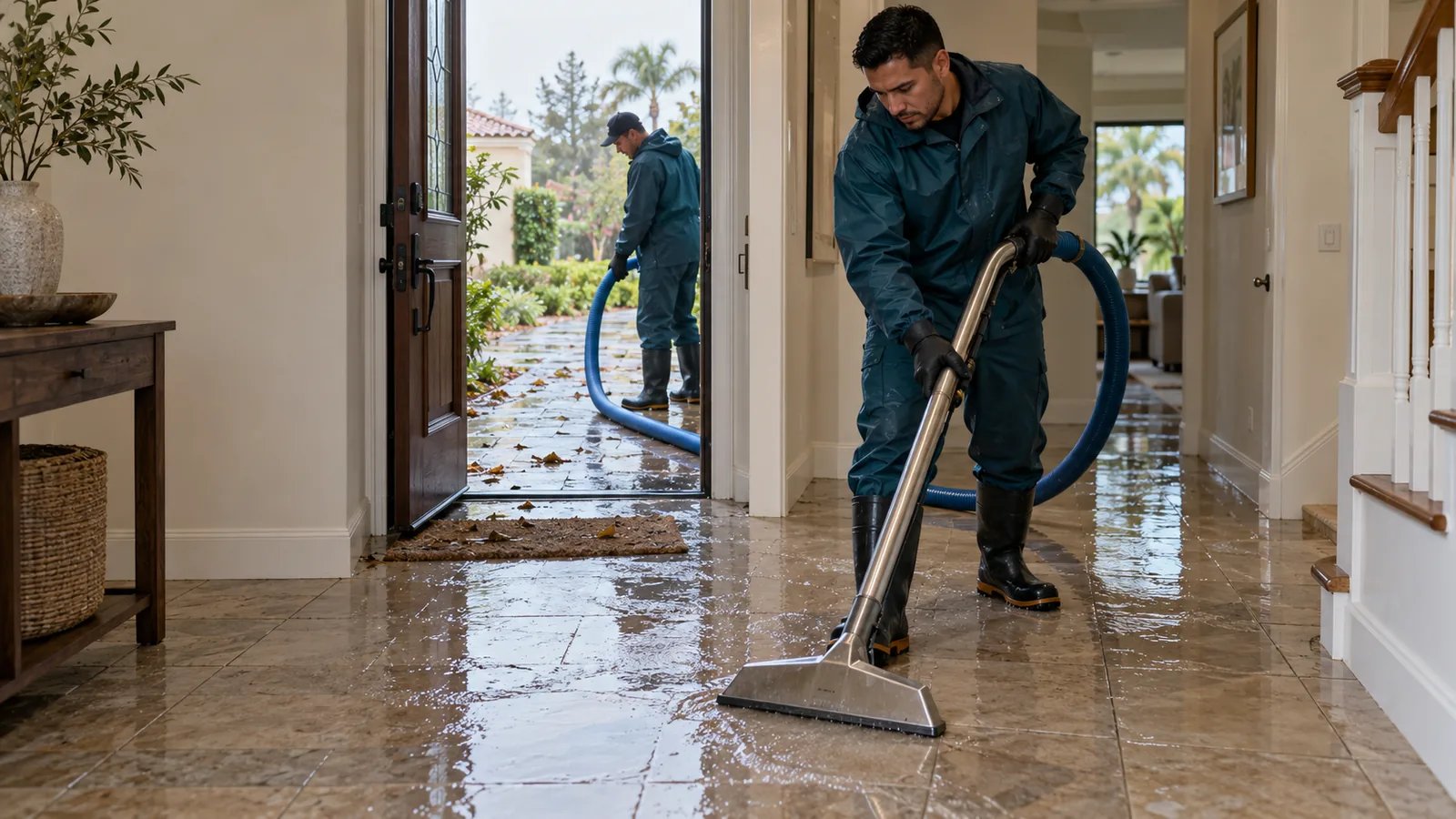
Describe what you already know from a safe location. A local pro does not ask you to enter a wet underfloor space to make an inquiry.
A local pro typically explains which sections can be assessed and which cannot. The final discussion does not hide the limits of the approved access.
A local pro typically distinguishes removal of existing water from correcting a recurring source. Permanent drainage or structural work requires its own clear scope.
Homeowners: describe what you are seeing and get connected with an independent local water damage pro. A quote over the phone is available when the situation allows.
Tell the pro where the opening is, how the water was discovered, and whether the problem has happened before. A local pro typically discusses availability and access without asking you to enter the affected space.
A local pro typically reviews the conditions that can be assessed and explains the proposed work area. Restricted sections, specialist concerns, and separate source investigation are identified before the extraction scope is approved.
A local pro typically carries out the agreed extraction and any authorized related work. If returning water or an unexpected condition changes the plan, a local pro typically explains the issue and discusses the appropriate next decision.
A local pro typically discusses any included drying, the areas assessed, and unresolved access or source questions. The handoff makes clear which next steps need a plumber, drainage professional, or other separate specialist.