Start with the leak and the affected rooms
Ventura Burst Pipe Water Damage Cleanup
Describe the pipe failure and check cleanup availability. Call (844) 434-2506
Start with the leak and the affected rooms
Describe the pipe failure and check cleanup availability. Call (844) 434-2506
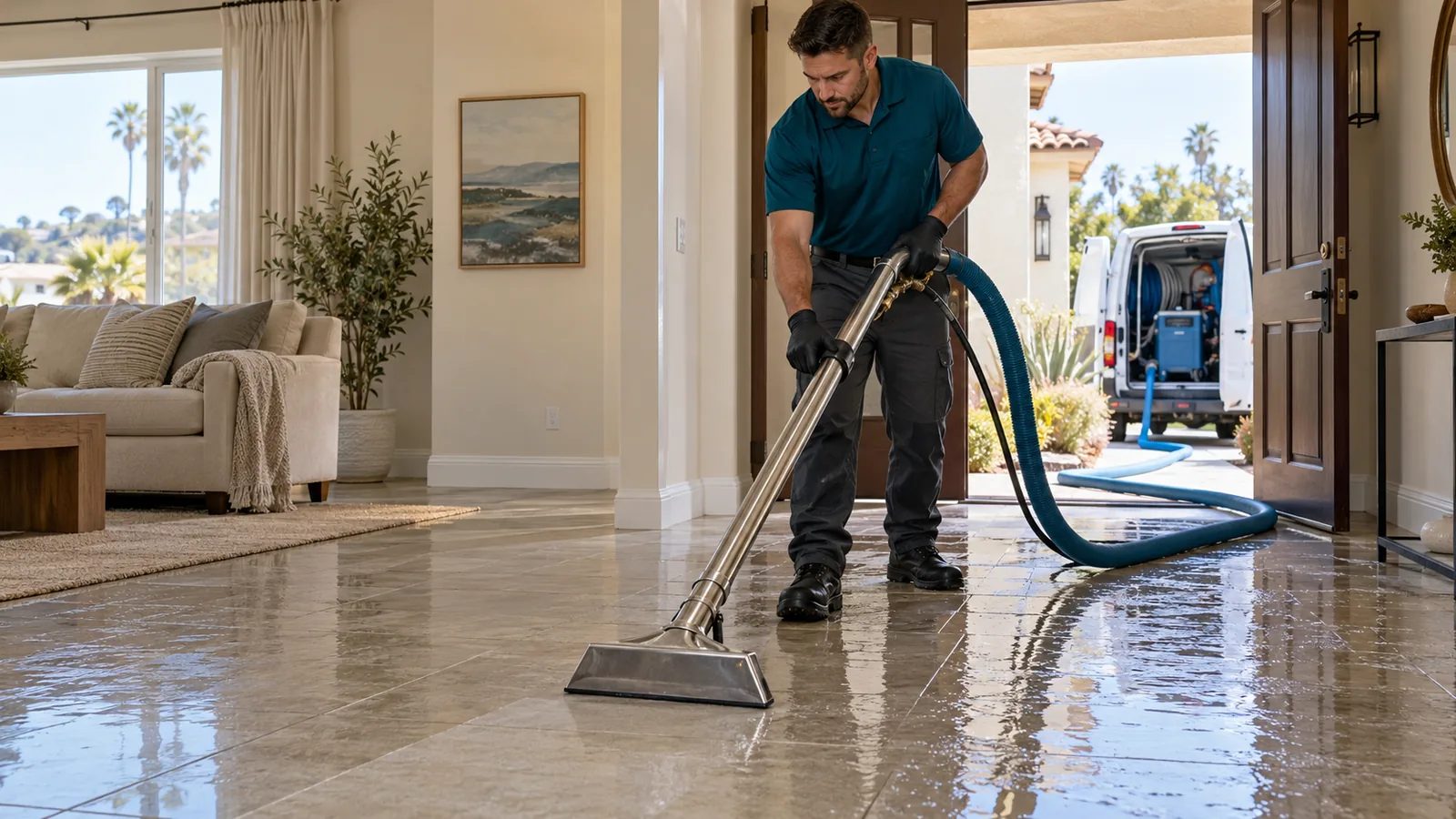
When a pipe fails, start by staying clear of electrical hazards. Do not walk through water to reach a breaker panel or operate electrical equipment while standing in water. Arrange appropriate help for unsafe electrical conditions before cleanup begins. CDC Emergency Water Extraction Ventura handles the resulting water cleanup separately from the work needed to repair the pipe.
Tell the pro where the leak occurred, whether it has stopped, and which rooms appear affected. A local pro typically discusses accessible water removal, the areas needing assessment, and the drying work that may follow. You do not need to open walls or lift flooring before calling. The starting point is an agreed scope that explains what a local pro can assess, what needs authorization, and what remains the responsibility of a plumber or another contractor.
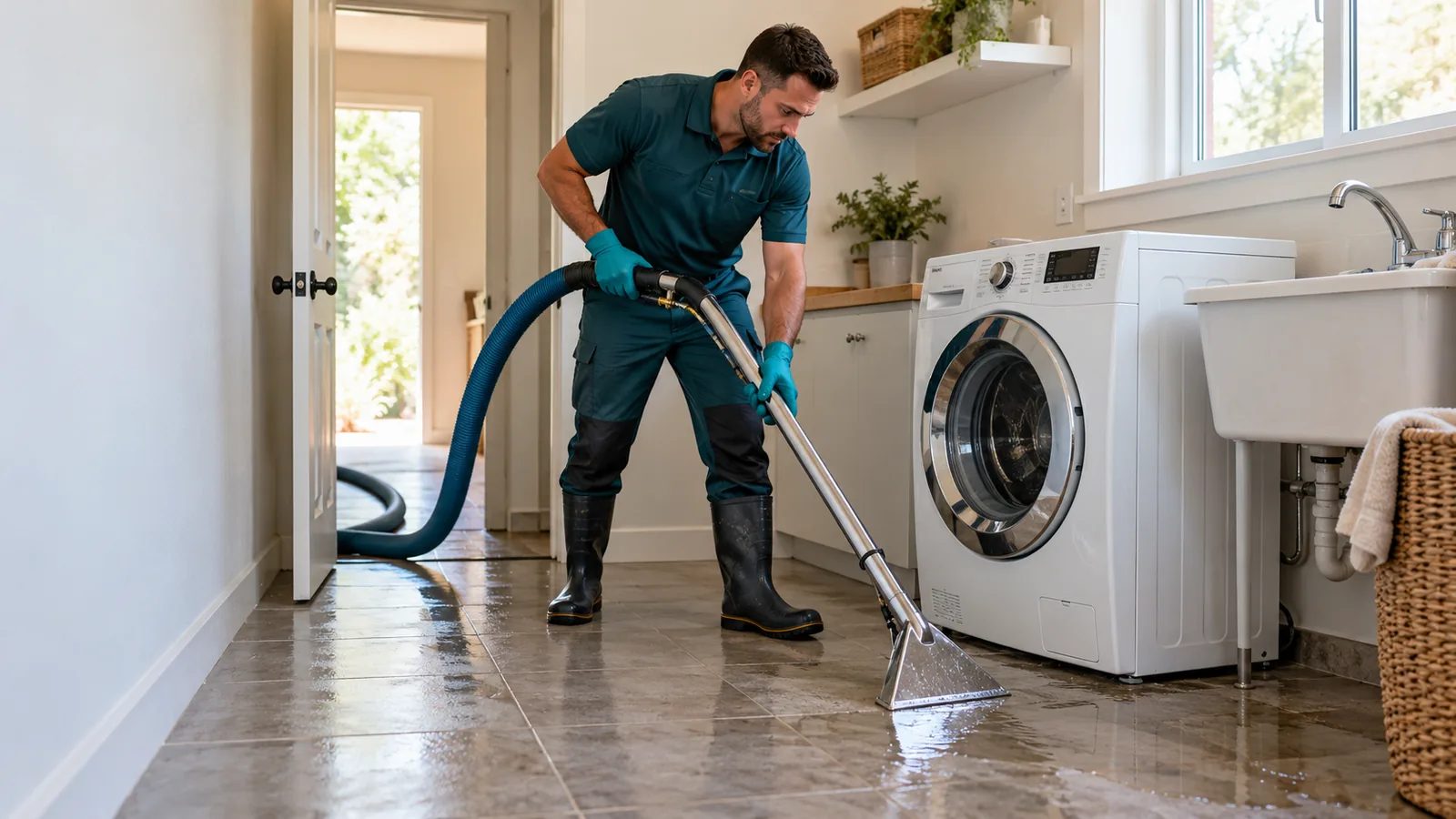
A local pro typically asks when the leak was discovered, what was done to stop it, and whether the property has experienced previous water problems. Tell the pro about any plumber's findings, but do not guess at a diagnosis when the source is still uncertain. A local pro typically records the situation as described and identifies what needs further investigation.
The first scope should distinguish water removal from later drying, opening materials, and reconstruction. A local pro typically explains the rooms included, access requirements, and any conditions that could change the plan. You remain part of the decision-making process rather than receiving an unexplained list of tasks after work has begun.
A local pro typically plans water removal around the affected rooms, available access, and conditions identified during assessment. Before equipment is positioned, a local pro typically discusses the route through the property and any belongings that need attention. Tell the pro about fragile furniture, mobility needs, pets, or rooms that must remain accessible wherever safely possible. The initial agreement identifies the areas included in extraction and any restrictions that prevent access. A room behind a locked door, an enclosed cavity, or a separate unit is not silently treated as inspected. When an additional area needs attention, a local pro typically explains the finding and discusses the authorization required to add it.
Moisture meters can be used to assess building materials and monitor drying after water damage. They provide information beyond a visual inspection, although their readings still need appropriate interpretation. US EPA A local pro typically explains which rooms and materials are being checked, record the locations included, and identifies limitations. You can point out earlier stains, previous repairs, or areas that concern you so those observations are not overlooked. The aim is to create a useful record of the assessed area, not imply that one reading represents every wall, floor, and cabinet in the building.
For clean-water damage, EPA guidance distinguishes materials that may be dried in place from those requiring removal, with condition and material type affecting that decision. It does not support treating every wet wall or floor the same way. US EPA A local pro typically discusses proposed material removal before proceeding and explains the reason for the recommendation. Where the assessment is incomplete, a local pro typically says so. You should understand whether an opening is proposed for inspection, access, or removal of an affected material, and whether the later replacement is included or will need a separate contractor.
Tell the pro about built-in cabinets, specialty flooring, recent remodeling, and finishes you particularly want to preserve. A local pro typically reviews the proposed access approach with those concerns in mind and explains any trade-offs. Preservation is a goal to evaluate, not a promise made before the condition of the assembly is understood. Suspected asbestos-containing materials should not be cut, scraped, or disturbed without appropriate professional assessment. EPA advises leaving suspect materials alone and using qualified asbestos professionals when assessment or removal is needed. US EPA Any such concern changes the scope and may require separate specialist work before access can proceed.
Where drying is included, a local pro typically explains the equipment arrangement, monitoring plan, and responsibilities while equipment remains on site. A local pro also discusses how to report an interruption, a new leak, or a change in access. You should know who to contact rather than make adjustments to an unfamiliar setup without guidance. At closeout, a local pro typically reviews the areas addressed and any remaining limitations or repair needs. The record should distinguish cleanup work from plumbing repair and reconstruction. Ask a local pro to clarify anything that will matter to your next contractor, such as which areas were assessed and which still require further investigation.
| Service | Estimated Cost | Average |
|---|---|---|
| Accessible water extraction | Property-specific estimate | Not published |
| Drying and monitoring | Based on approved scope | Not published |
| Authorized material removal | Quoted separately when needed | Not published |
These entries are not quoted prices or verified local averages. Request an itemized estimate identifying the affected area, labor, equipment, monitoring, and disposal included. Plumbing repair, specialist testing, reconstruction, and any additional fees should be identified separately. A local pro typically discusses changes to the approved scope rather than assume that every later task was included in the initial visit.
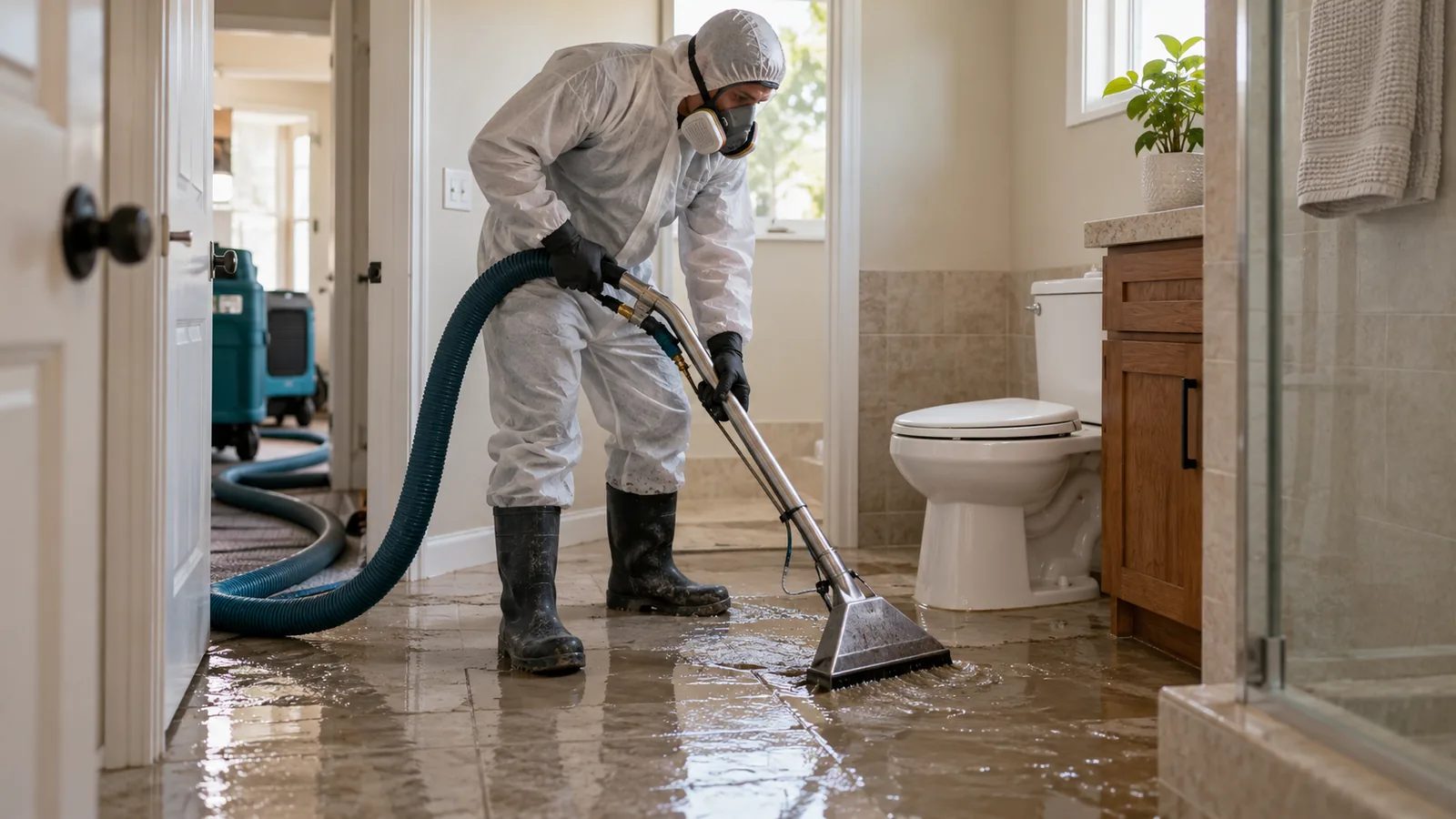
A local pro typically explains where water cleanup ends and plumbing repair begins. That makes it easier to organize the right people without assuming one agreement covers both.
A local pro typically reviews proposed access and removal with you before proceeding. Important finishes and belongings belong in that conversation from the start.
A local pro typically discusses the areas checked, the work completed, and what remains unresolved. Equipment collection is not a substitute for a useful closeout conversation.
Homeowners: describe what you are seeing and get connected with an independent local water damage pro. A quote over the phone is available when the situation allows.
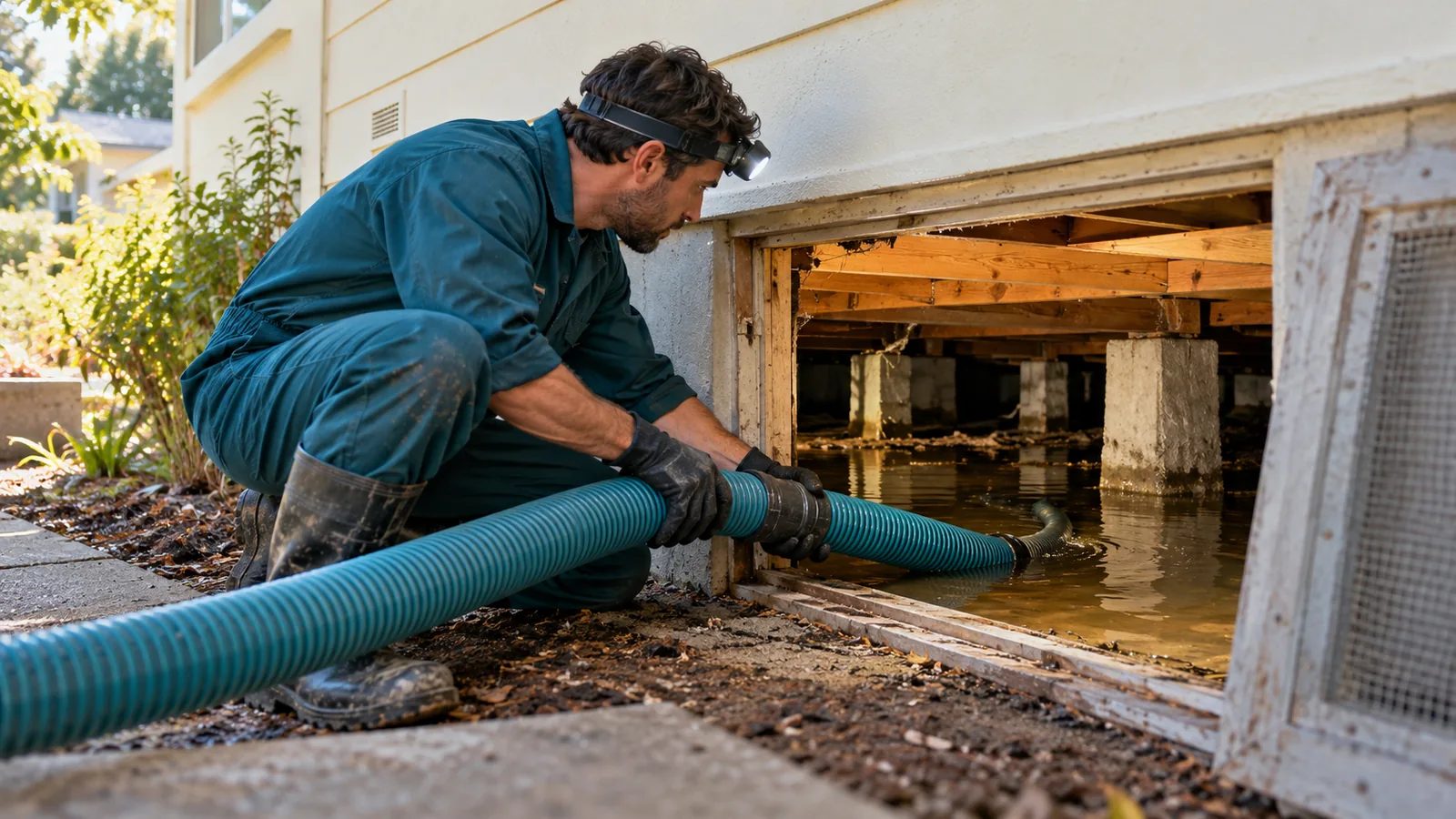
Give a local pro the address, the affected rooms, and the status of the pipe repair. A local pro typically discusses availability, safe access, the person authorized to approve work, and what information would help with the initial assessment.
A local pro typically assesses the accessible areas and explains the proposed extraction work. The discussion identifies limitations, separate repair needs, and any additional investigation required before decisions about materials or drying can be made.
A local pro typically carries out the agreed cleanup and any included drying work. You receive an explanation of the equipment arrangement, planned follow-up, and how to report changes affecting the property or the access.
A local pro typically walks through the completed scope, available records, and outstanding items. Any plumbing, reconstruction, or specialist work outside the agreement remains clearly identified so you can organize the next stage.