
Safety before storm cleanup
Storm and Flood Water Cleanup in Ventura
Discuss your property once access is safe. Call (844) 434-2506
Safety before storm cleanup
Discuss your property once access is safe. Call (844) 434-2506
Follow evacuation instructions and stay out of floodwater. Floodwater can carry sewage, chemicals, and debris, and flooded roads are not safe routes to a property. CDC Emergency Water Extraction Ventura is a cleanup service, not an emergency rescue service. A request for water removal does not override an official restriction or make an unsafe building ready to enter.
When access is permitted and the property can be assessed safely, tell the pro where water entered, which areas appear affected, and whether the entry point remains open. A local pro typically discusses extraction, cleanup, affected materials, and any proposed drying. Roof repair, drainage correction, structural assessment, and reconstruction are separate responsibilities unless specifically included in a written agreement. A local pro typically confirms the appropriate scope rather than promise that every storm-related problem can be solved in one visit.

A local pro typically discusses what needs to happen before extraction can proceed and who is handling ongoing water entry. A cleanup appointment should not leave you uncertain about a separate roof opening or drainage issue.
A local pro typically explains when a reported condition falls outside the proposed cleanup scope rather than treating every material carried by a storm as routine debris.
A local pro typically begins with the areas that can be accessed and assessed under the site's current conditions. Tell the pro about damaged entrances, restricted rooms, utility shutdowns, and any directions issued by local authorities. A local pro does not ask you to cross water or enter a restricted building to collect information for an estimate. The assessment record identifies what was accessible and what was not. For a property with several units or separate structures, a local pro typically agrees on which spaces are included. This keeps an inspection of one accessible room from being misunderstood as a conclusion about the condition of the entire property.
Extraction is planned around water depth, access, the building's condition, and the scope that has been authorized. Deep flooding requires particular caution: EPA warns that removing several feet of water too quickly can contribute to structural damage. US EPA A local pro typically discusses the appropriate next step rather than treat every flood as a simple pump-out. Where a structural or other specialist assessment is needed, that requirement is explained separately. You should understand what the proposed extraction includes and why certain work cannot reasonably proceed until another concern has been addressed.
Stormwater that has traveled across land or through buildings should not be assumed clean based on appearance. guidance identifies sewage, hazardous waste, germs, and physical debris among possible floodwater contents. CDC A local pro typically discusses the proposed handling of affected surfaces and materials in that context. Items requiring separate assessment, specialist treatment, or disposal are identified rather than included in a blanket promise to save everything. Tell the pro about valuable documents, artwork, or sentimental belongings before decisions are made, so the scope can acknowledge where specialist advice may be appropriate.
The written scope identifies the interior cleanup and material removal proposed for the assessed area. A local pro typically explains what will be removed, the reason for that recommendation, and whether disposal is included. Removing an affected finish and replacing it later are separate tasks, and the estimate should make that distinction visible. A local pro also discusses the route used to move equipment and approved waste through the property. Shared corridors, neighboring units, and occupied rooms belong in that plan. Where a new condition is discovered during work, a local pro typically pauses the affected decision long enough to explain the finding and obtain any additional authorization required.
Where structural drying is included, a local pro typically explains the assessed areas, equipment arrangement, and follow-up plan. A local pro also records any ongoing entry problem reported by you or identified within the assessment. A successful handoff should not imply that water removal has repaired a roof, rebuilt a wall, or corrected site drainage. You receive a discussion of the completed cleanup and the work still to arrange. For insurance questions, ask your insurer to review the cause and applicable policy. Standard homeowners insurance does not cover flood damage, according to the California Department of Insurance; the estimate is not a coverage decision. insurance.ca.gov
| Service | Estimated Cost | Average |
|---|---|---|
| Water extraction | Site assessment required | Not published |
| Approved interior cleanup and removal | Based on assessed conditions | Not published |
| Structural drying and monitoring | Based on approved scope | Not published |
These are pricing categories, not quoted amounts or verified Ventura County averages. Request an estimate identifying labor, equipment, monitoring, removal, and disposal. Roof work, drainage correction, hazardous-material services, structural repairs, and reconstruction require separate clarification. Access restrictions or newly discovered conditions may change the proposed scope, which should be discussed before additional work is authorized.
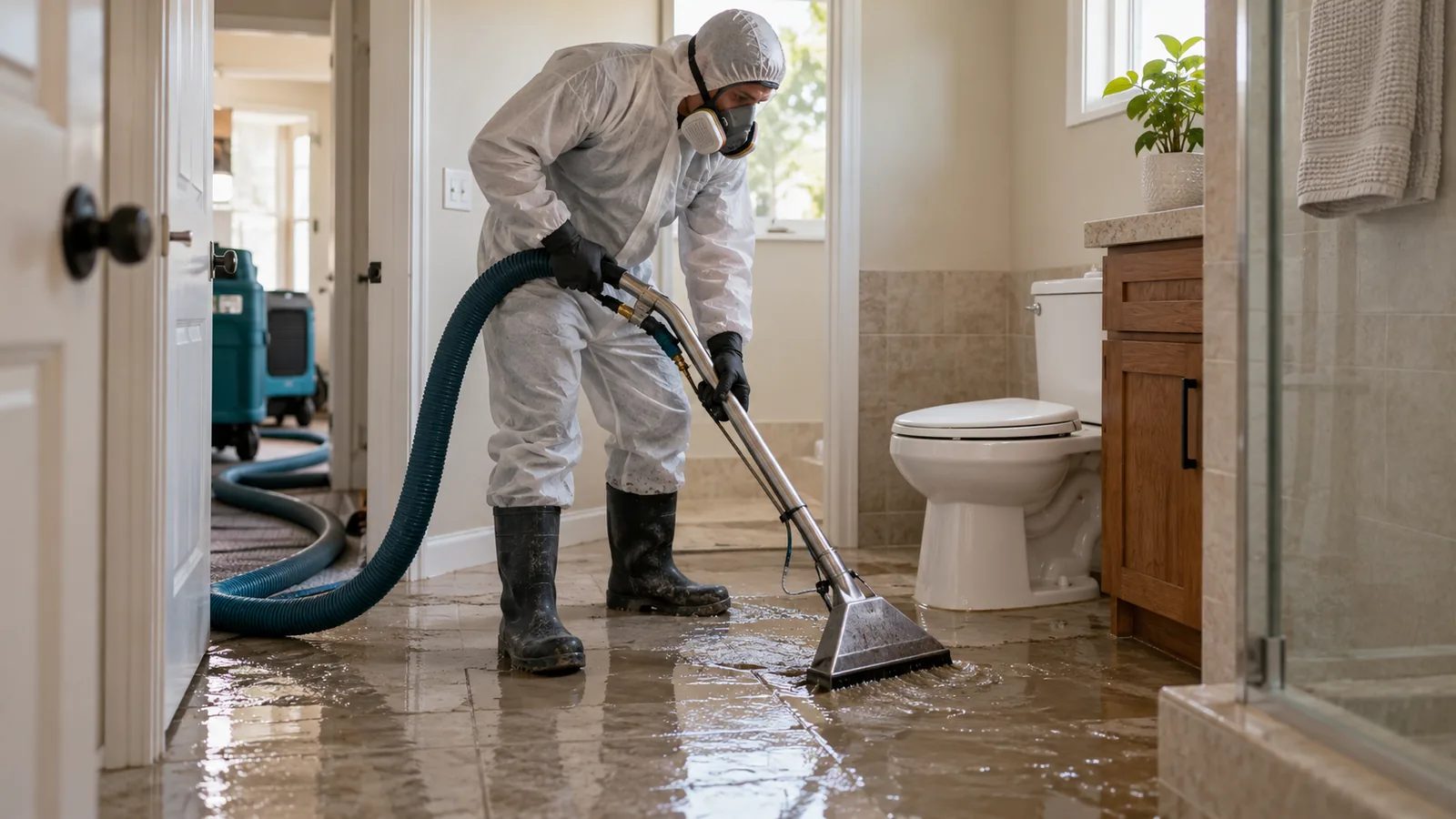
A local pro does not treat a cleanup request as permission to enter an unsafe or restricted property. Access requirements remain part of the job discussion.
A local pro typically explains decisions about affected materials individually. A promise to save every finish is not a substitute for assessing the actual conditions.
A local pro typically distinguishes cleanup from repairs to the building and the water-entry source. That keeps the next stage visible instead of leaving it as an assumption.
Homeowners: describe what you are seeing and get connected with an independent local water damage pro. A quote over the phone is available when the situation allows.
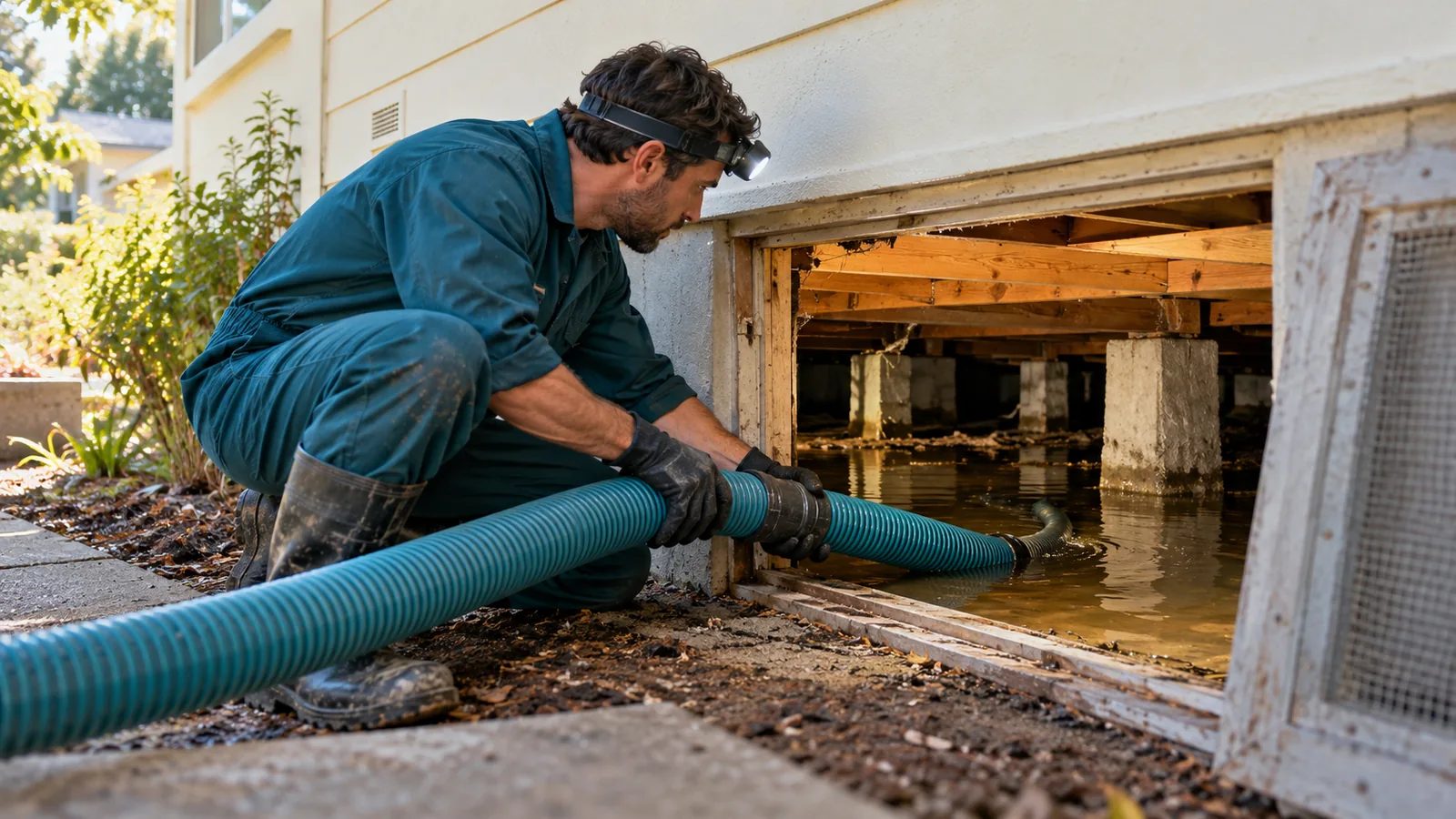
Tell the pro what authorities and utility professionals have advised and whether the property is accessible. A local pro typically discusses availability without asking you to enter floodwater or restricted areas to prepare for an appointment.
A local pro typically reviews accessible areas and identifies the proposed extraction and cleanup tasks. Specialist concerns, source-control work, inaccessible spaces, and separate repairs are recorded as boundaries or conditions of the agreement.
A local pro typically performs the agreed water removal and related cleanup under the approved plan. Changes involving materials, access, or additional areas are discussed rather than silently added to an open-ended job.
A local pro typically explains any included drying, the completed scope, and outstanding concerns. The handoff distinguishes the cleanup record from the separate decisions of repair contractors, inspectors, and your insurance provider.